
Why this site is different
The Odessa Meteor Crater is an impact site west of town, not a roadside sculpture. The Texas Historical Commission says the area includes several smaller craters formed by iron meteorites more than 20,000 years ago. An interpretive trail leads from the visitor center into the National Natural Landmark.
The crater's current shape can surprise people expecting a steep bowl. The museum operator says erosion has changed its dimensions over time. Go for the geologic story and the chance to walk an unusual West Texas landscape, not for a dramatic cliff view.
Check museum and trail separately
The museum publishes a street address at 5599 Meteor Crater Road and separate hours for the museum and park trail. Its site also says the gate closes at 5 p.m. and that trail access is weather permitting. Verify the current schedule with the operator before making the drive.
The operator lists the museum as ADA accessible. It does not give the same accessibility description for every part of the outdoor trail, so contact the museum if you need a specific route or surface detail. Avoid relying on third-party hours or old travel articles.
Make it part of an Odessa day
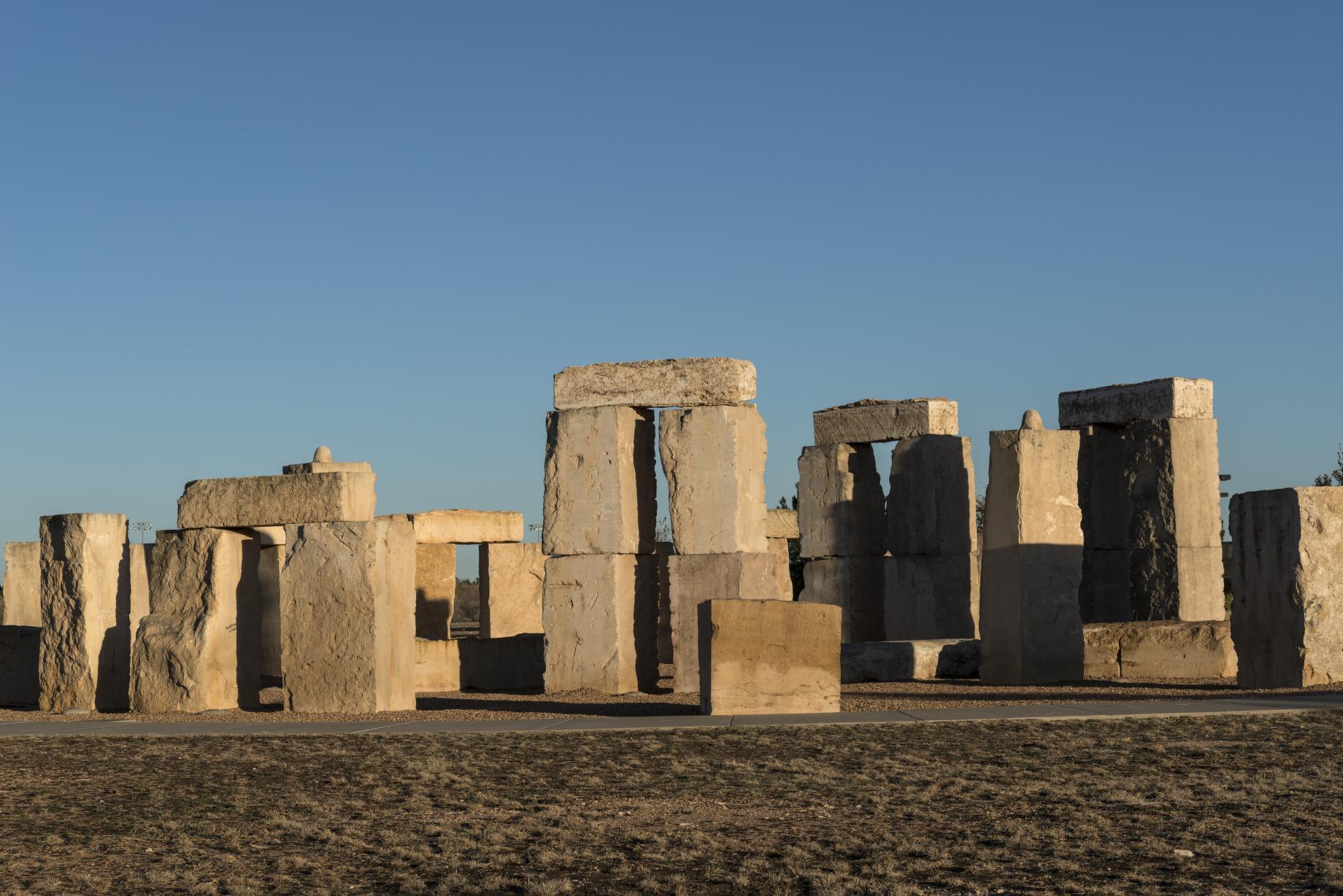
Because the crater is outside the main museum and dining cluster, it works best as a deliberate first or last stop. If you are also visiting the Stonehenge replica or Ellen Noël Art Museum, allow for the drive between them and check each venue's own access information.
The crater visit is especially sensitive to weather and daylight. Use the current forecast and the operator's site together. The site is a natural and scientific stop, while downtown and campus attractions offer a different Odessa story.
Sources & next steps
These original publishers provide the facts behind this guide. Check them for current access, admission, routes and schedules before you go.